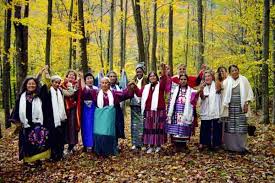
 In 2004, 13 indigenous grandmothers heard the cry of Mother
Earth. She was in agony, they said. She needed them “to help to heal her and all her inhabitants.”
Since then the women, who call themselves The International Council of Thirteen Indigenous Grandmothers, come together from their homes in North and South America, Africa and Asia. They meet at regular intervals to pray for Mother Earth and to bring attention to what can be done for her.
They have repeatedly petitioned the Pope. They have met with the Dali Lama. They have held a salmon ceremony in Alaska welcoming the return of the native fish. They have organized a seed temple in Mexico, linking the safeguarding of seeds with the birth of children.
“Ours is an alliance of prayer and healing for our Mother Earth, all Her inhabitants, all the children, and for the next seven generations to come.”
Their names are Aama Bombo, Agnes Baker Pilgrim, Beatrice Long Visitor, Bernadette Rebienot, Clara Shinobu Iura, Julieta Casimiro, Margaret Behan, Flordemayo, Maria Alice Campos Freire, Mona Polacca, Rita Long Visitor Holy Dance, Rita Pitka Blumenstein, and Tsering Dolma Gyaltong.
 subjects of bad poetry. I would only point out some of the narrowness and shallowness of the genre. How about this classic opener:
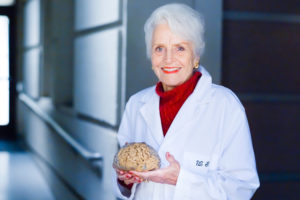 Don’t you just hate that phrase: it’s so simple, even my grandmother can understand it?
 A 20-something Australian journalist decided to spend a week eating the way her grandmother did in 1964: eggs and bacon for breakfast, white bread and baked beans for lunch; and, for dinner, meat, three veg (one always potato) and dessert.
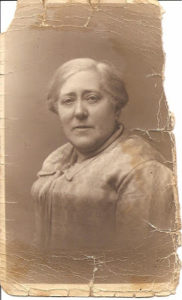 In case you were worrying that this most popular of apple varieties was named as a marketing stunt, you can relax now. Granny Smith was real. And she was really cool.
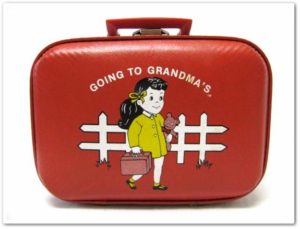 What does it mean that you can buy a t-shirt, a onesie, a tote bag, a bib; even a house decal that announces, “What happens at Grandma’s stays at Grandma’s?”

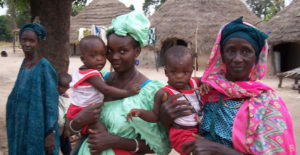 There’s a Senegalese proverb: “The grandmother’s heart is the school where one prepares for life.”